
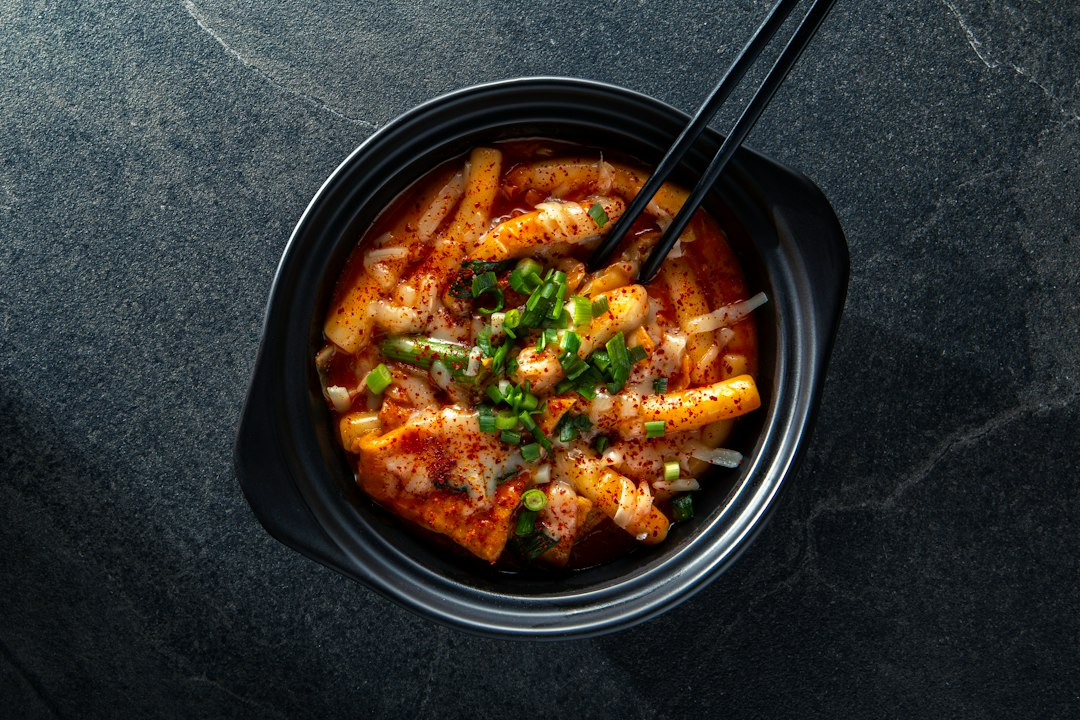
Gochujang has officially made its way from specialty Korean markets onto mainstream American menus, turning up everywhere from gastro-pub chicken wings to fast-casual grain bowls. But if you bought that bright crimson plastic tub at the grocery store, you might be wondering why you cannot simply drizzle it over eggs like Sriracha. Gochujang is not a hot sauce; it is a dense, savory fermented paste made from red chili powder, glutinous rice, fermented soybeans, and salt, designed to be melted, whisked, and balanced rather than squirted straight from the container.
It is a concentrated cooking paste, not a table condiment
The biggest mistake first-time buyers make is treating gochujang like ketchup. If you taste a raw spoonful straight from the tub, the texture feels sticky and thick, with an intense wave of heat followed by a sharp, pungent sweetness.
That thickness comes from cultured glutinous rice and fermented soybean base. Because of its high starch and natural sugar content, gochujang will scorch in seconds if you drop it directly into smoking hot cooking oil.
Think of it the same way you treat Italian tomato paste or Japanese miso paste. You want to loosen it with liquid, cook it gently into aromatics, or blend it into an emulsion before it coats your ingredients.
The 3-element golden rule to balance the heat
In traditional Korean kitchens, gochujang almost never travels alone. To unlock that rich, complex depth you taste at restaurants, you need three counterweights: sweetness, fat, and acid or liquid.
- Sweetness to round the salt: Honey, brown sugar, or mirin softens the raw chili punch and creates a glossy shine on glazes.
- Fat to carry the flavor: Toasted sesame oil, butter, or mayonnaise tames the sharp capsaicin burn on your tongue.
- Liquid to melt the paste: Warm water, broth, or rice vinegar instantly breaks down the stiff starch so it blends smoothly without clumping.
Once you memorize that ratio, you can turn a single tablespoon into a dressing, a marinade, or a rich dipping sauce in under a minute.
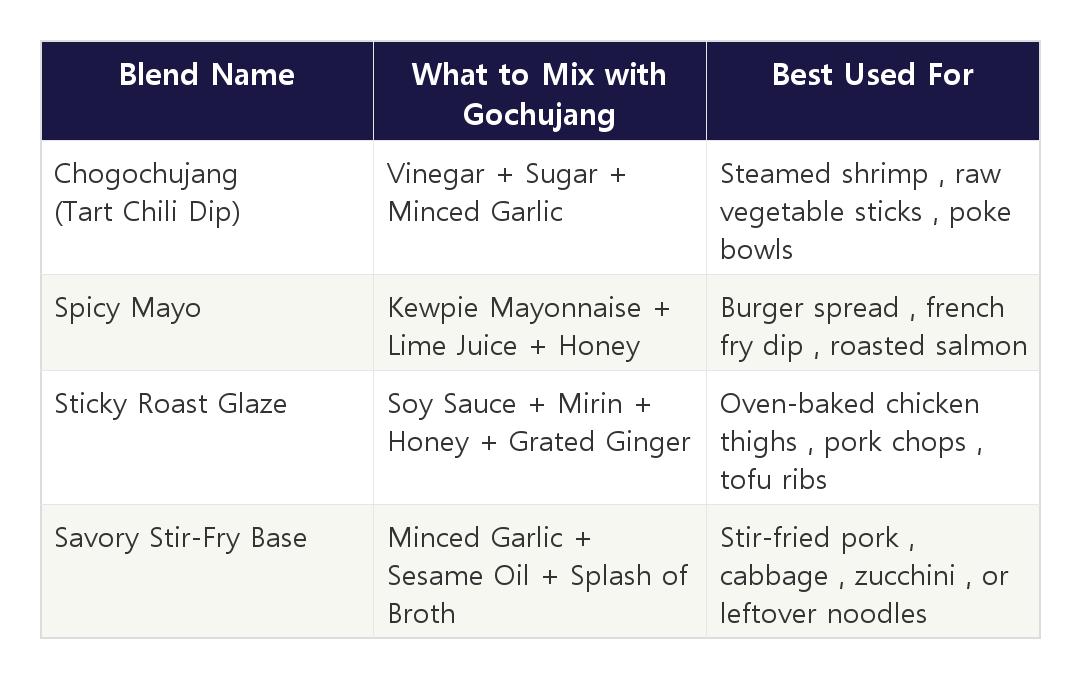
Can you eat gochujang straight out of the tub?
Technically, yes—it is fully fermented and safe to consume raw. But unless you are dipping crunchy cucumber slices into a modified paste, spooning pure gochujang over food is overwhelming.
When you see Koreans dipping raw carrots or peppers at a table, they are usually dipping into ssamjang (a blend of gochujang, toasted sesame oil, garlic, and savory soybean paste) or chogochujang (thinned out with vinegar).
If you need a quick table dip, always whisk in at least a drop of vinegar or a drizzle of toasted sesame oil first. Your palate will thank you.
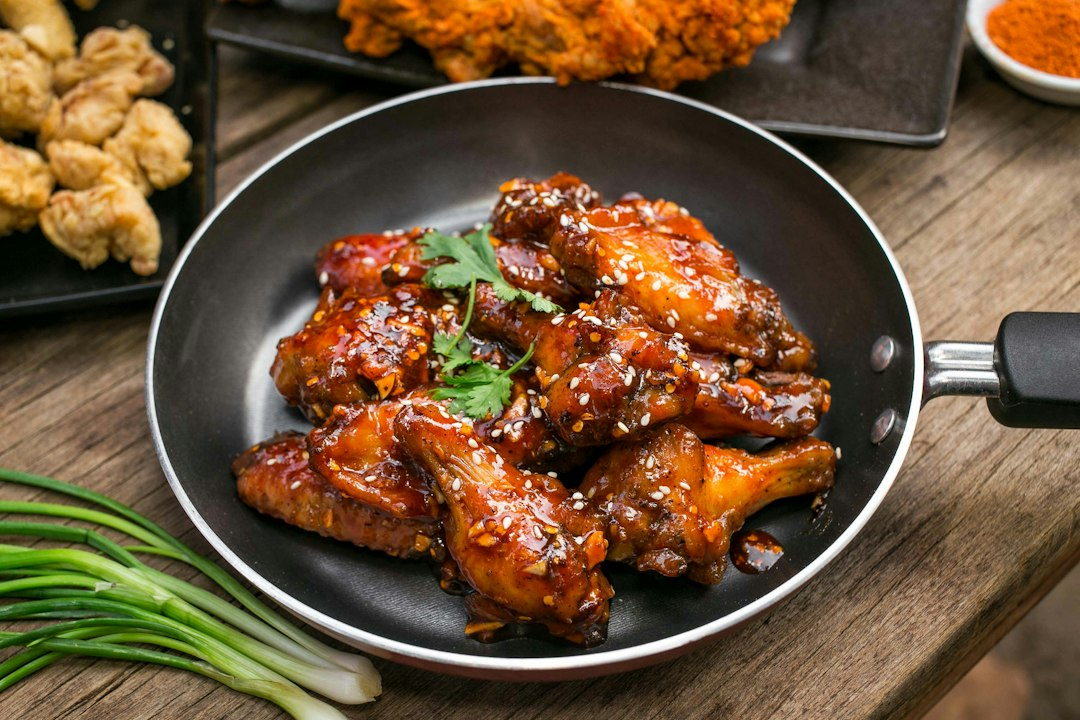
3 weeknight meals that finish the container fast
You do not need to cook a multi-step Korean banquet to get through your tub before it sits forgotten in the door of your refrigerator. These three quick dinners rely on everyday supermarket staples.
- Gochujang Butter Pasta: Melt two tablespoons of unsalted butter in a skillet over medium heat, whisk in one tablespoon of gochujang and a grated garlic clove until fragrant, then toss with cooked spaghetti and a ladle of starchy pasta water. Finish with grated parmesan cheese.
- Sheet-Pan Roasted Chicken & Sweet Potatoes: Whisk two tablespoons of gochujang with one tablespoon of olive oil, one tablespoon of maple syrup, and two tablespoons of soy sauce. Toss chicken thighs and diced sweet potatoes in the glaze, spread on a baking sheet, and roast at 400°F (200°C) until deeply caramelized.
- Quick Kimchi or Egg Fried Rice: Stir a teaspoon of gochujang directly into the oil right after sauteing your garlic and scallions, then dump in cold leftover rice. The heat blossoms the chili aromatics before the rice absorbs the color evenly.
The plastic film storage trick to keep it fresh
Once you peel back that gold foil seal on top of a new tub, do not tear it completely off and throw it away. Air is the enemy of fermented paste.
When exposed to oxygen over months in the fridge, the surface of gochujang oxidizes, turning from vivid ruby-red into a dark, muddy mahogany brown. While darkened paste is still safe to eat, it loses its bright fruity note and tastes noticeably saltier.
To keep the paste fresh, press a small square of plastic wrap or wax paper directly flush against the surface of the paste before snapping the plastic lid back on. It acts as an airtight seal that keeps your gochujang tasting freshly opened for well over a year.
FAQ
Q. Does gochujang need to be refrigerated after opening?
A. Yes. Unopened tubs can sit in a cool pantry, but once the seal is broken, always keep it in the refrigerator. The cool temperature slows down continued fermentation so the paste does not bubble or change flavor.
Q. Can I use Sriracha or Sambal Oelek as a substitute?
A. Not directly. Sriracha is vinegary and runny, while Sambal Oelek is crushed raw chilies without the savory fermented soybean body. If an emergency substitute is needed, mix equal parts red pepper flakes, dark miso paste, and a drop of honey.
Q. Is gochujang gluten-free?
A. Many commercial brands use wheat flour or barley malt alongside glutinous rice to speed up fermentation. If you have celiac disease, check the ingredient list carefully and look for tubs labeled “gluten-free,” which use 100% glutinous rice and tapioca starch. Gochujang is an umami-rich cooking paste, not a pourable hot sauce—always loosen it with liquid or fat before cooking. Pair it with sweetness (honey/sugar) and acid (vinegar) to turn its raw heat into a balanced, glossy glaze. Store opened tubs in the refrigerator with plastic wrap pressed flat against the paste surface to prevent oxidation.
Where to buy — Sister Unice’s picks
Disclosure: Some links below are affiliate links. If you book or buy through them, I may earn a small commission at no extra cost to you. I only recommend what I’d use myself. As an Amazon Associate I earn from qualifying purchases.
The exact items I’d point a friend to, with the link to buy:
- CJ Haechandle Gochujang Hot Pepper Paste (500g) — Korea’s top-selling benchmark red tub commands a 4.7-star rating across thousands of reviews for its versatile balance of fermented funk, gentle heat, and savory richness.
- Korean American: Food That Tastes Like Home by Eric Kim — This 4.8-star New York Times bestseller brilliantly shows home cooks how to use the tub daily with craveable crossover dishes like gochujang butter steak and glazed toast.
- Maangchi’s Big Book of Korean Cooking — Backed by over 4,800 five-star reviews, this comprehensive culinary guide demystifies essential gochujang proportions for authentic tteokbokki, marinades, and bubbling jjigae.
Links go to third-party booking/shopping sites. I only list places and products with genuinely strong reviews.
This is the gold standard red tub found in almost every Korean home kitchen—ideal for whipping up quick spicy mayo, dipping sauces, and weeknight stir-fries without overpowering your dish.
As an affiliate, I may earn a small commission from purchases — at no extra cost to you.